Social
Social video & games app
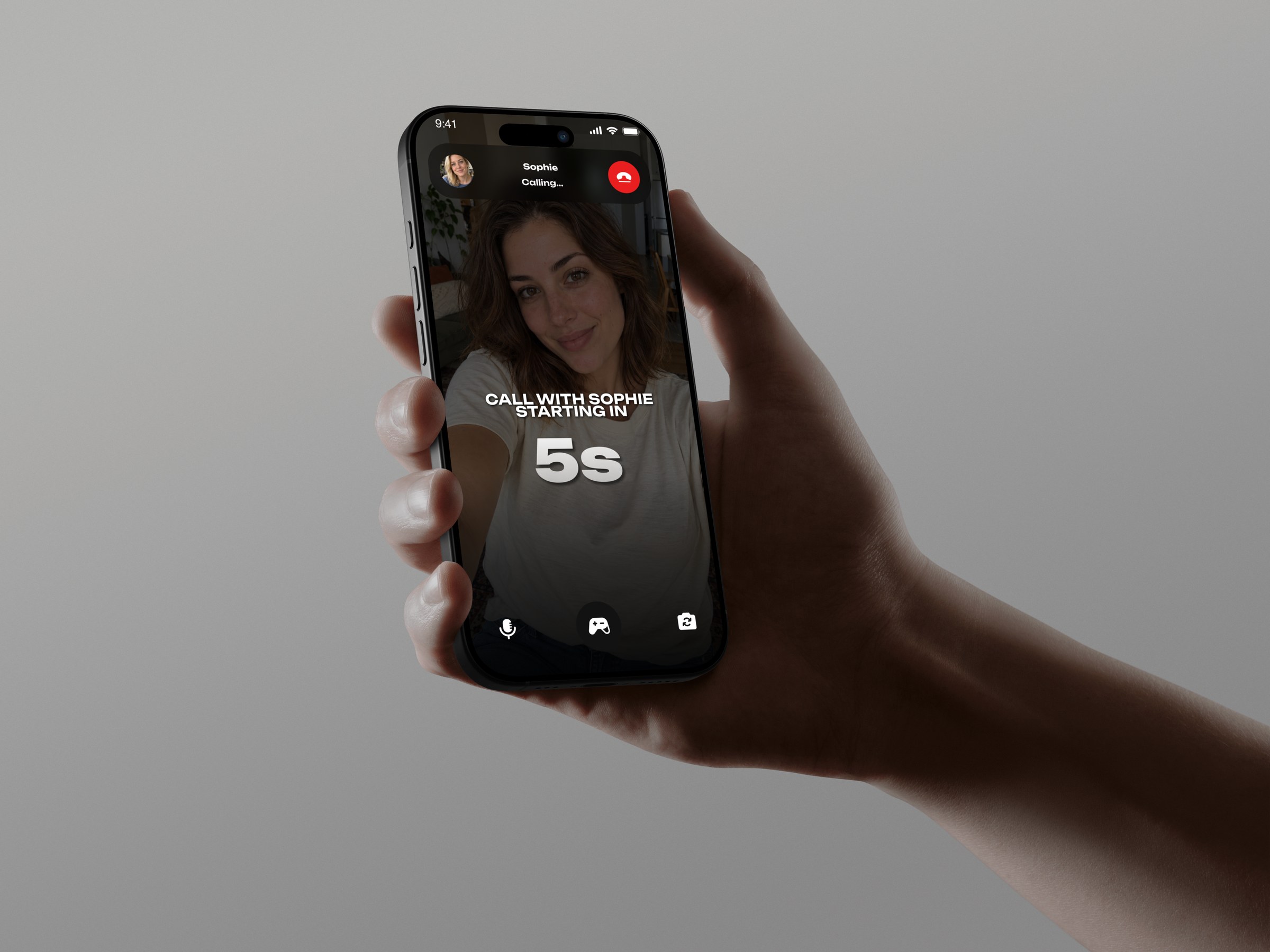
An app for meeting new friends over video calls, with games built into the call. I designed the core experience: call, chat and games unified into one surface, plus onboarding, profiles, messaging and the landing page.
- Client's country
- USA
- Platform
- iOS · app + landing page
- My role
- Product Designer
- Duration
- 3 months · 2021
Overview
An app for finding friends by shared interests. You meet someone, jump into a video call, play a game together, then decide whether to stay in touch.
The problem
The core tension: video with a stranger is high-pressure. The design's job was to remove that pressure.
The solution
Games are the ice-breaker: seven 2-player games shipped on one interaction skeleton, overlaid on the live call.
Status
The product is live today and has since evolved in a new direction; this case shows the version I designed.
Context
01
Product
Meet new people → jump into a video call → play together → decide to stay in touch. Call, chat and games on one surface.
02
Users
People who find talking to strangers awkward, which is everyone. Shy users are exactly who the product was for.
Approach
Define
Name the social tension the design has to defuse.
Architect
The game layer: how call, chat and game share one screen.
Protect
Safety mechanics: verification, masking, block and report.
Every layer answers the same question: what do two strangers do before they know what to say?
Process
Core functionality
01
Meet people by interests
Problem
Making friends as an adult is hard. Most people do not know where to start, and a first message to a stranger feels awkward.
Hypothesis
If people are matched by shared interests and can see who is online right now, starting a conversation feels like an invitation, not a cold call.
Solution
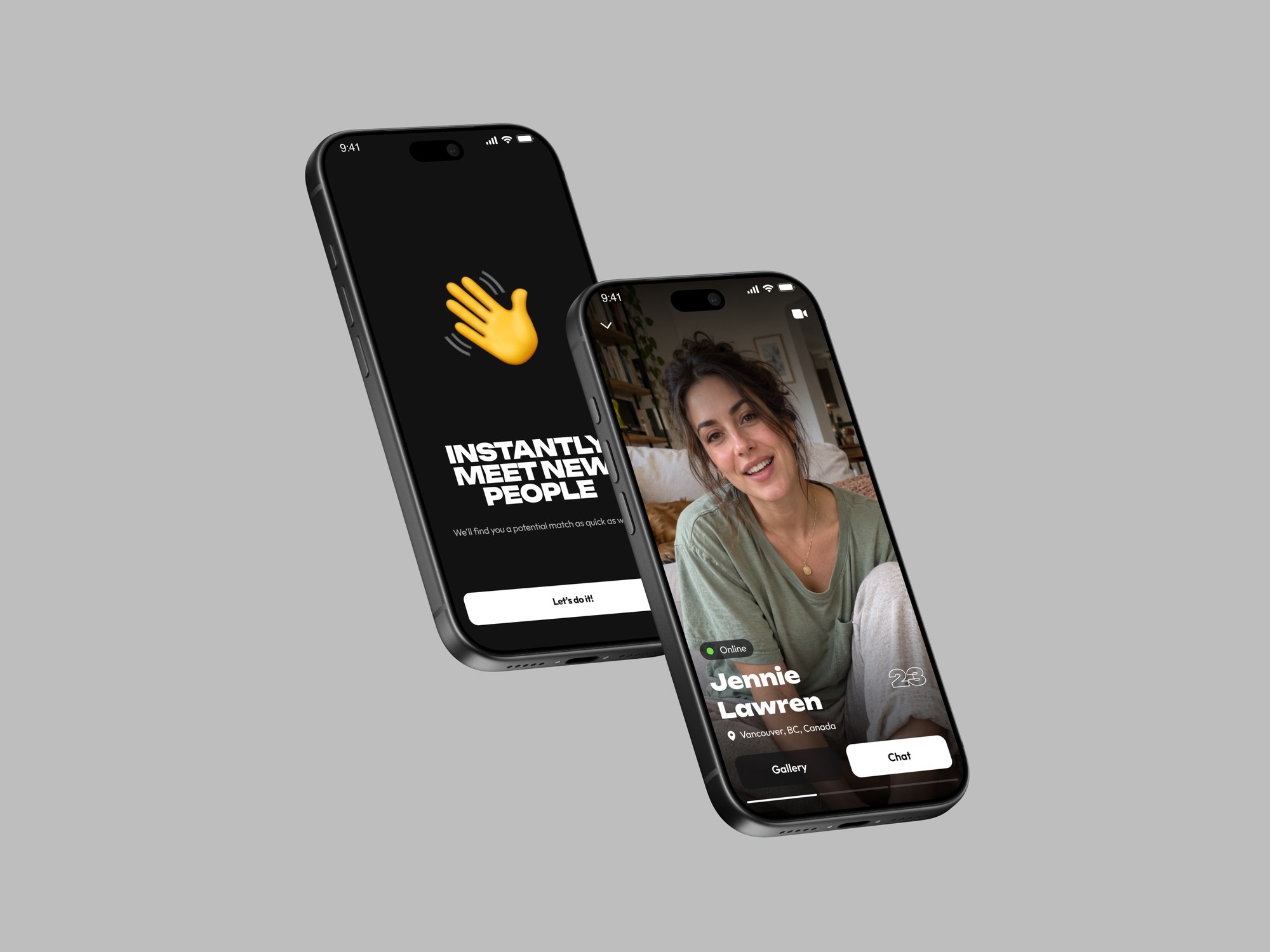
Matching by interests and a profile card that answers three questions at a glance: who is online, where they are, and how to start. Chat or video, your choice. Prompts and interest chips give the first minute something to talk about.
Instantly meet new people
One tap to start. The card shows who is online and where, and leads straight to a chat or a call.
02
Games inside the video call
Problem
People can talk in a chat or on video, and the research was clear that video works better: you see the person, so you talk more and remember each other. But a first video call with a stranger starts with an awkward pause.
Hypothesis
If a game sits on top of the live call, with both faces visible and turns pacing the talk, the pause disappears. The game gives you something to do and something to talk about.
Solution
Seven two-player games on one skeleton: invite, accept, countdown, play in turns over the call, result with reactions, play again. One skeleton made every new game cheap to add.
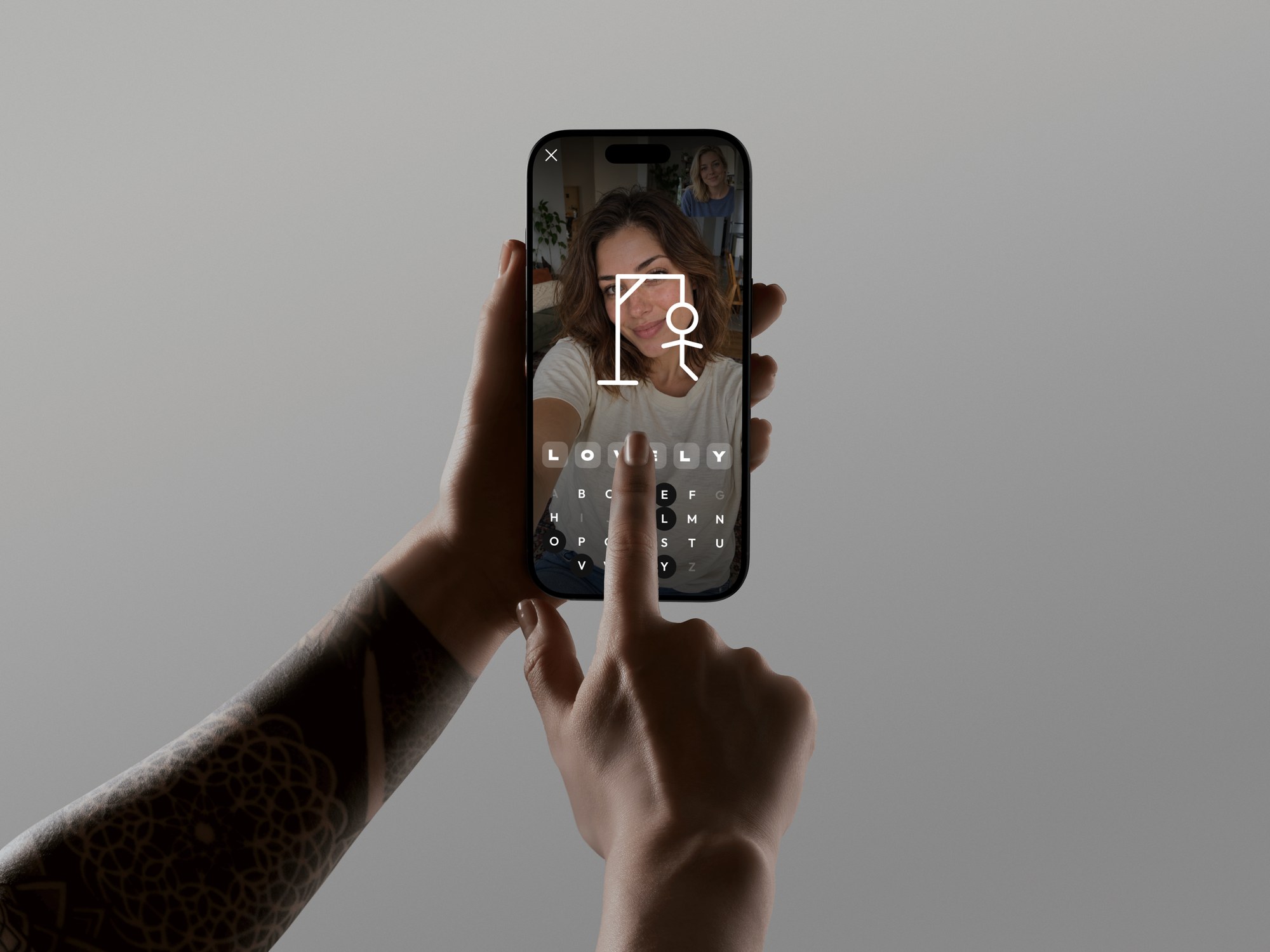
Hangman
Guess the word letter by letter. The drawing sits over the call, so you watch each other react to every miss.
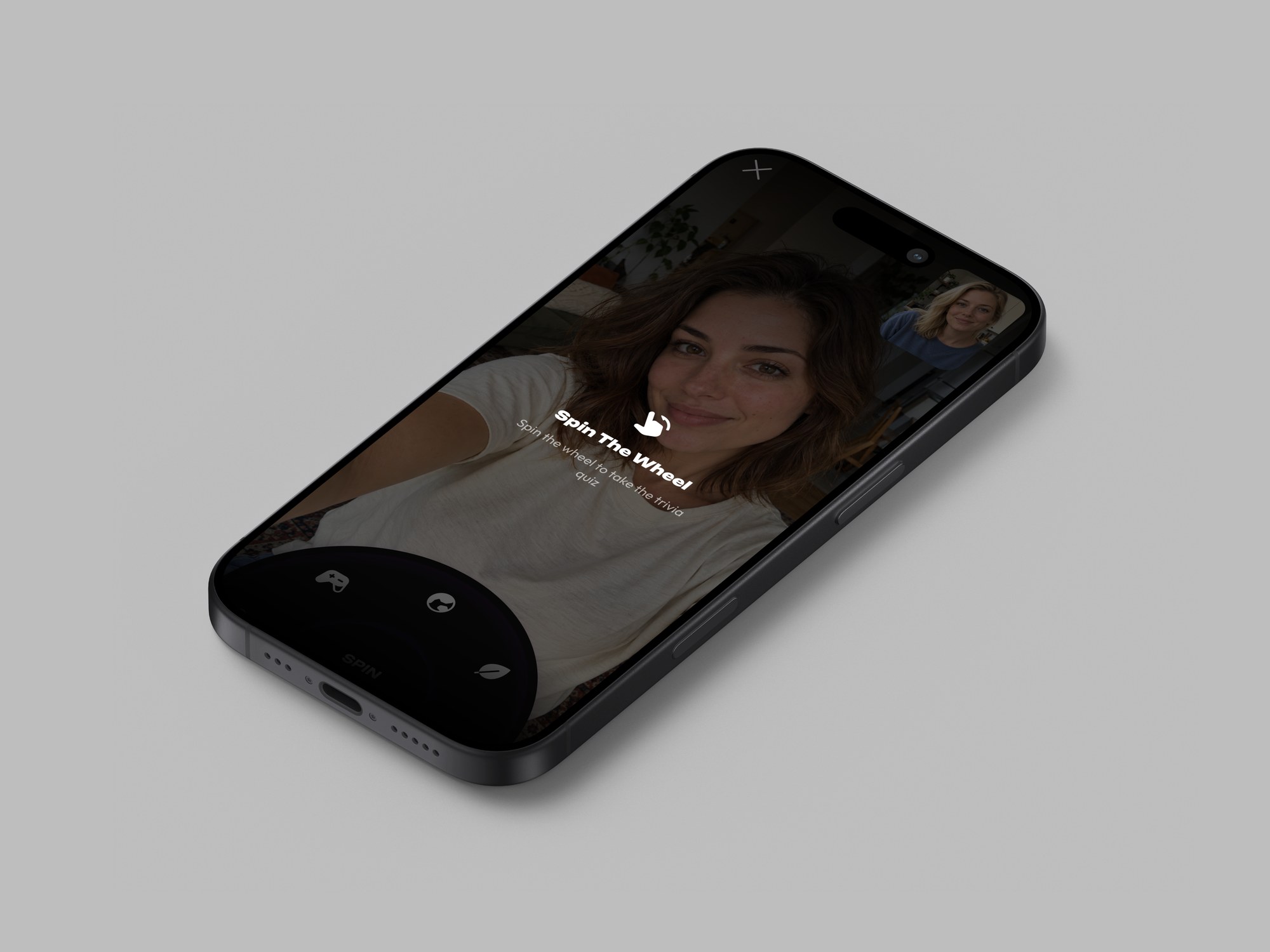
Spin the wheel
Nobody has to choose. One spin, and the wheel picks the round.
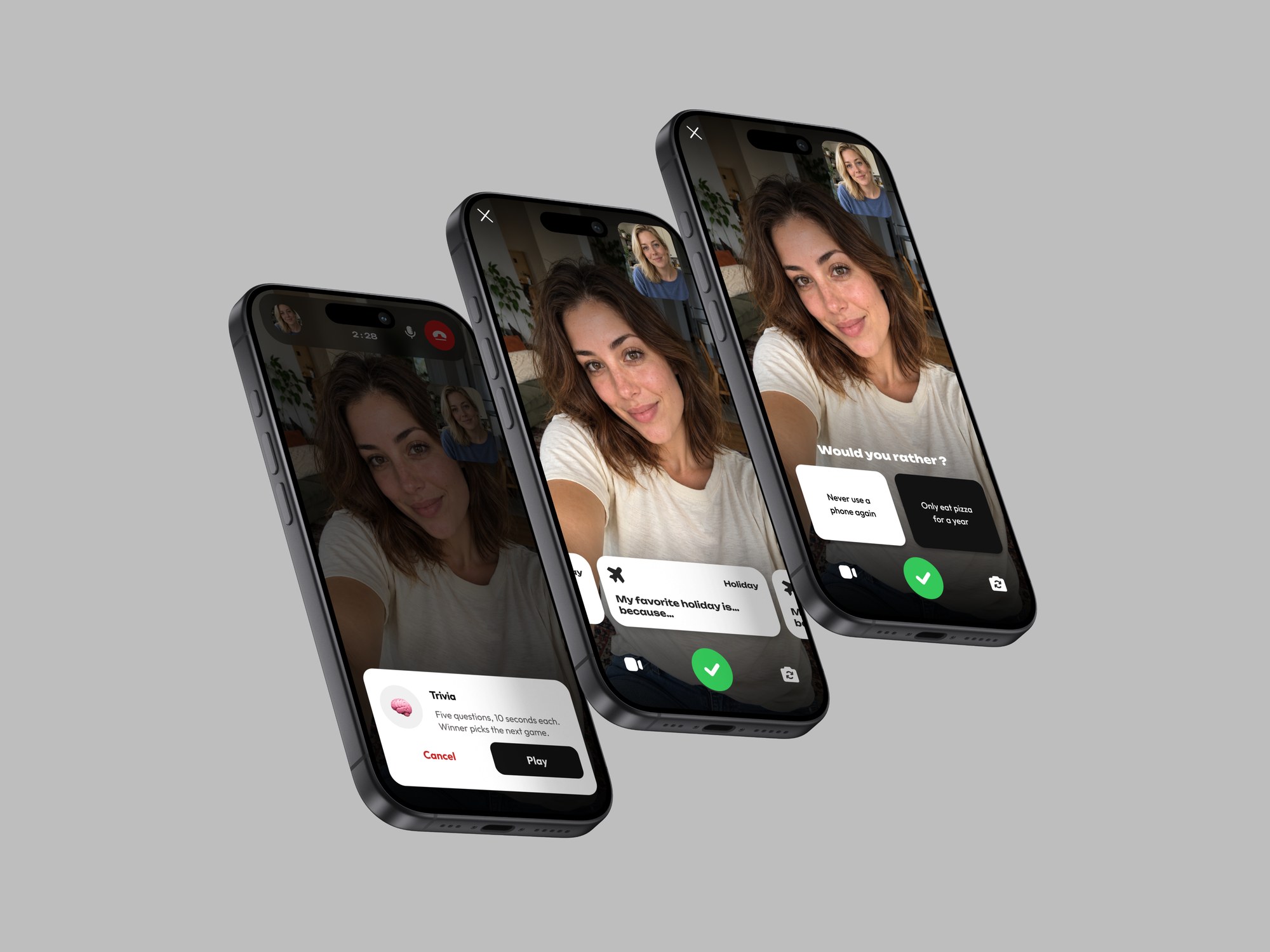
Invites, icebreakers, Would you rather
A game arrives as a card you accept or cancel. Between rounds, light questions keep the talk going.
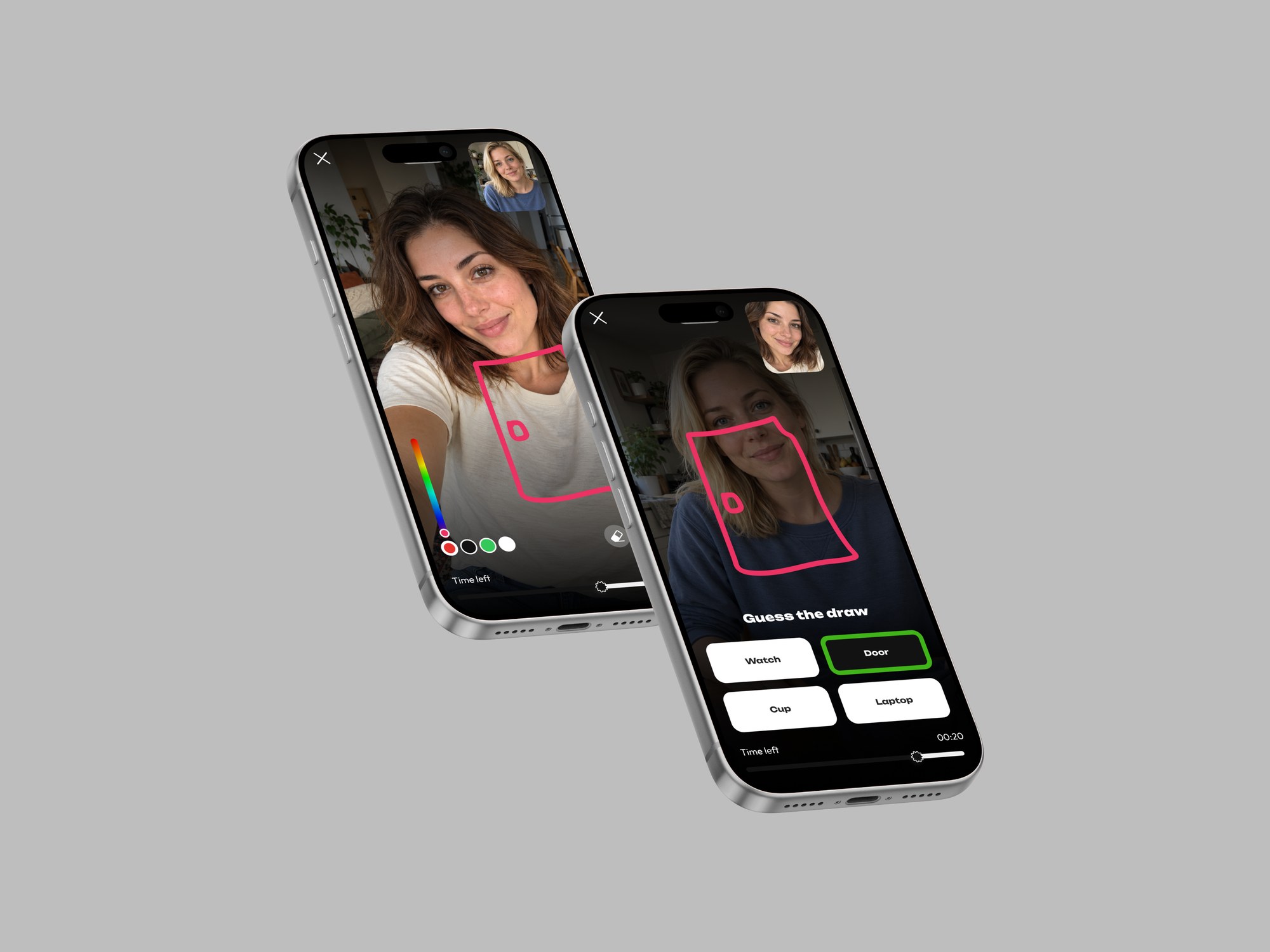
Draw and guess
One draws on their own camera, the other picks the answer from four. Twenty seconds on the clock.
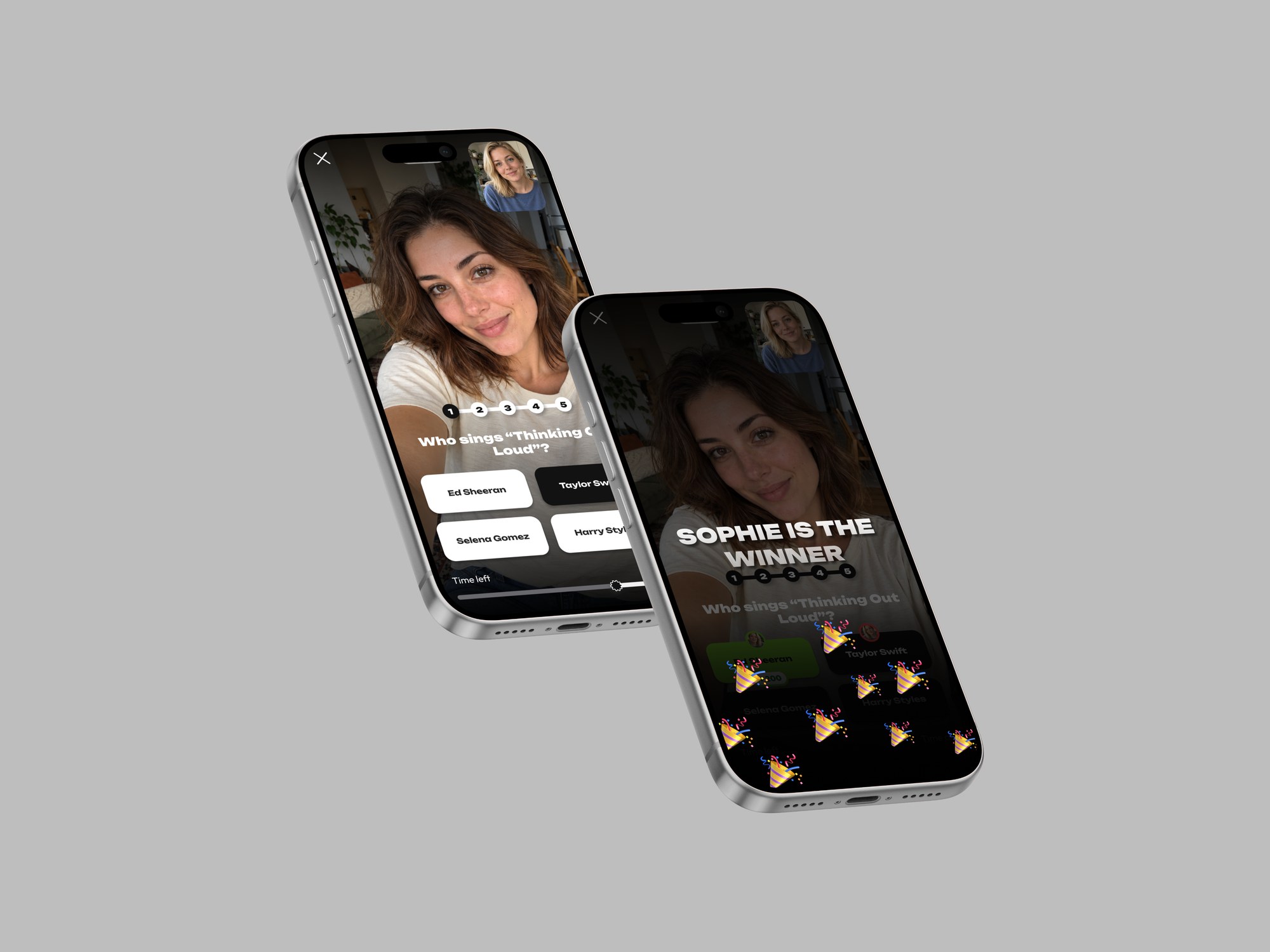
Trivia
Five questions, ten seconds each. The winner is announced on the call and picks the next game.
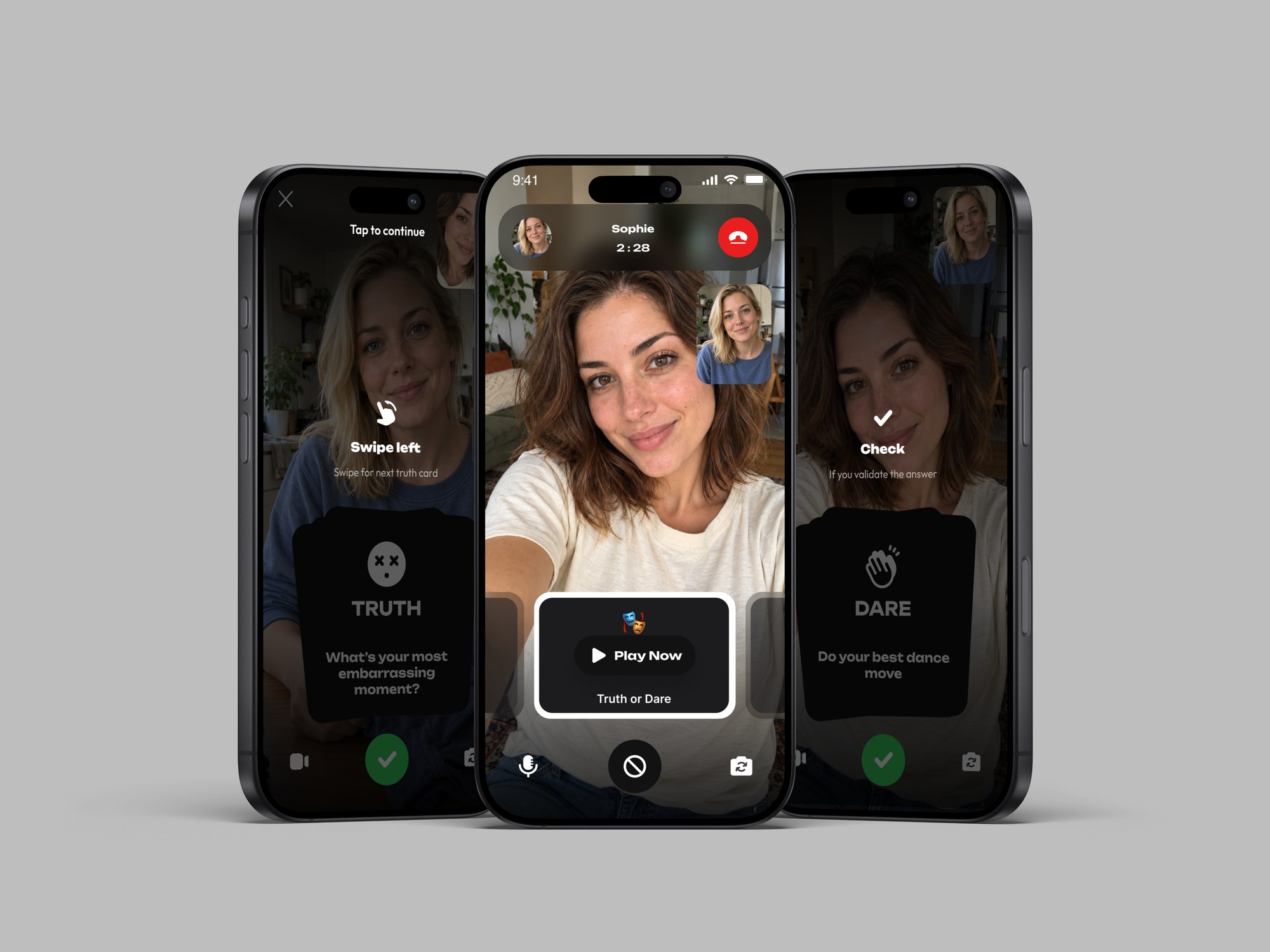
Truth or dare
Swipe for the next card, tap the check when the answer counts. The classic, now with a face across the table.
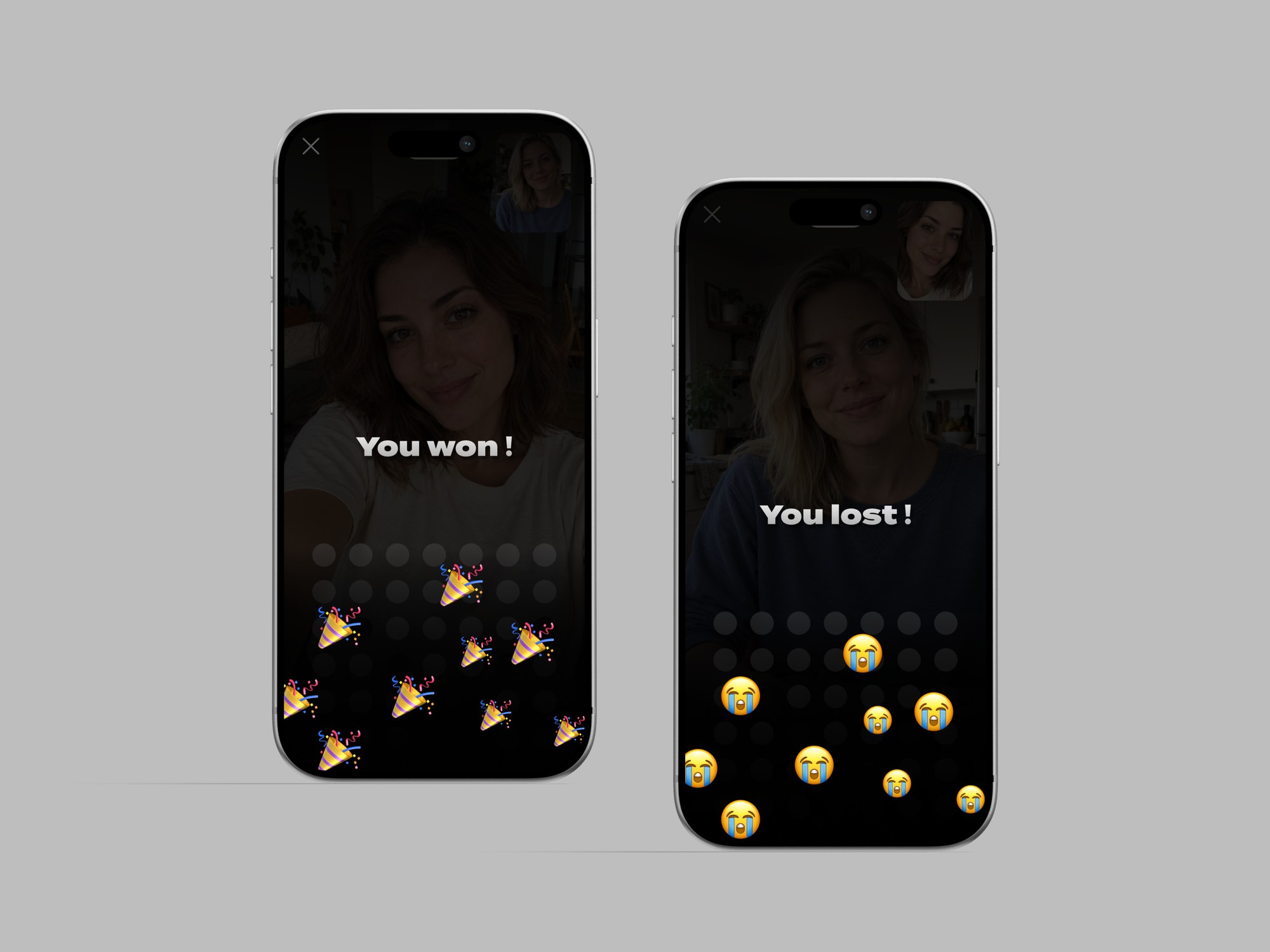
Win or lose
Confetti for the winner, tears for the other, and a rematch one tap away.
03
Game rooms and community
Problem
Showing your face to strangers from the first second is frightening, and that is exactly where people drop off.
Hypothesis
If people can play first behind an animal mask and show their face only on mutual interest, shy users stay long enough to meet someone.
Solution
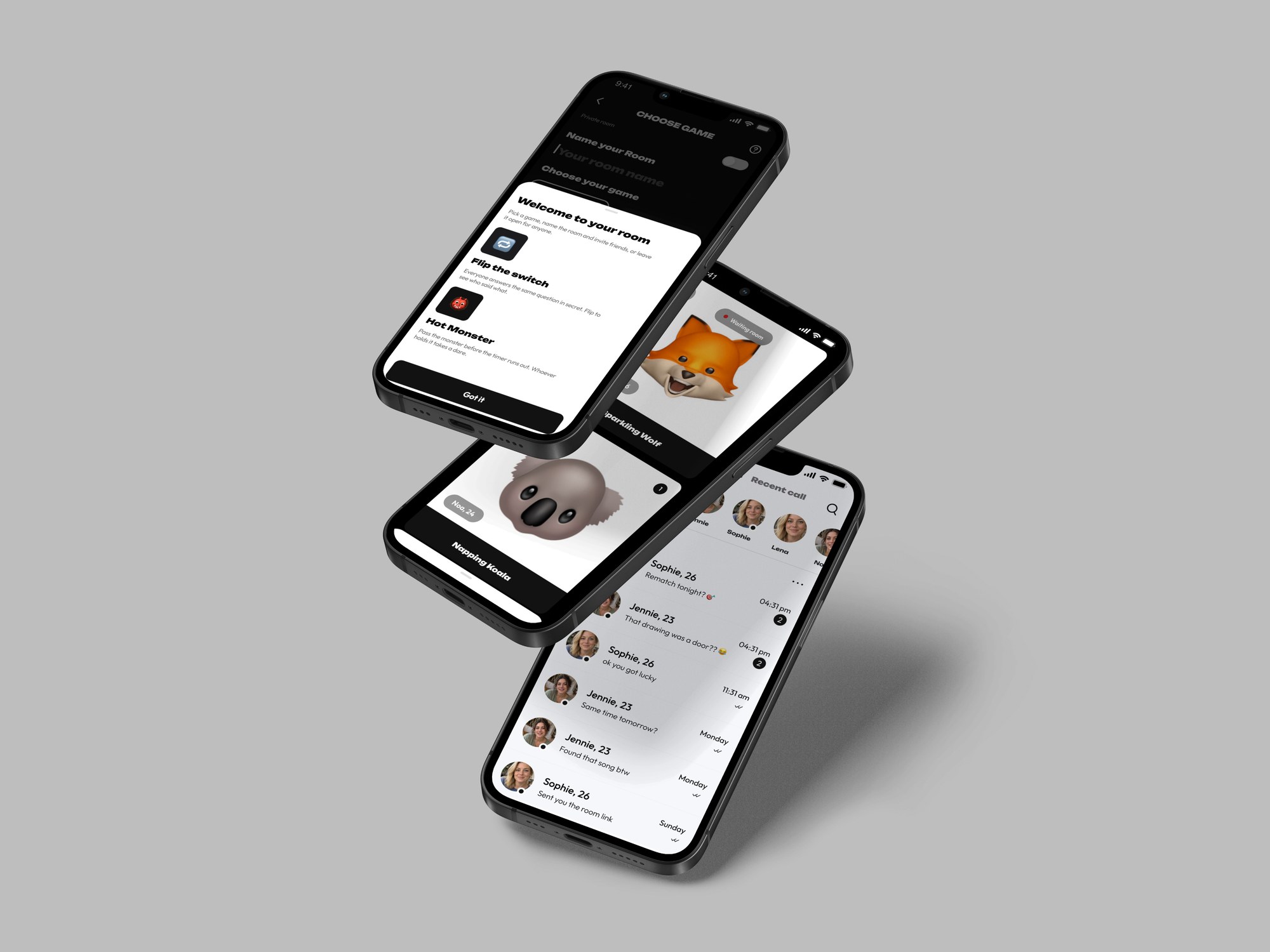
Name a room, pick a game, invite friends or leave it open for anyone. While you play, everyone is an animal avatar. Afterwards you match or pass, and faces appear only if both say yes. Recent calls keep the people you played with one tap away.
Your room
A welcome card, the game choice, a waiting room behind avatars, and everyone you played with in one list.
04
Chats
Problem
After a match the conversation usually dies at “hi”, and unwanted contact has nowhere to go.
Hypothesis
If a chat carries voice notes and a quick way back into a game, and the exits are one tap away, matches turn into friendships and bad ones end cleanly.
Solution
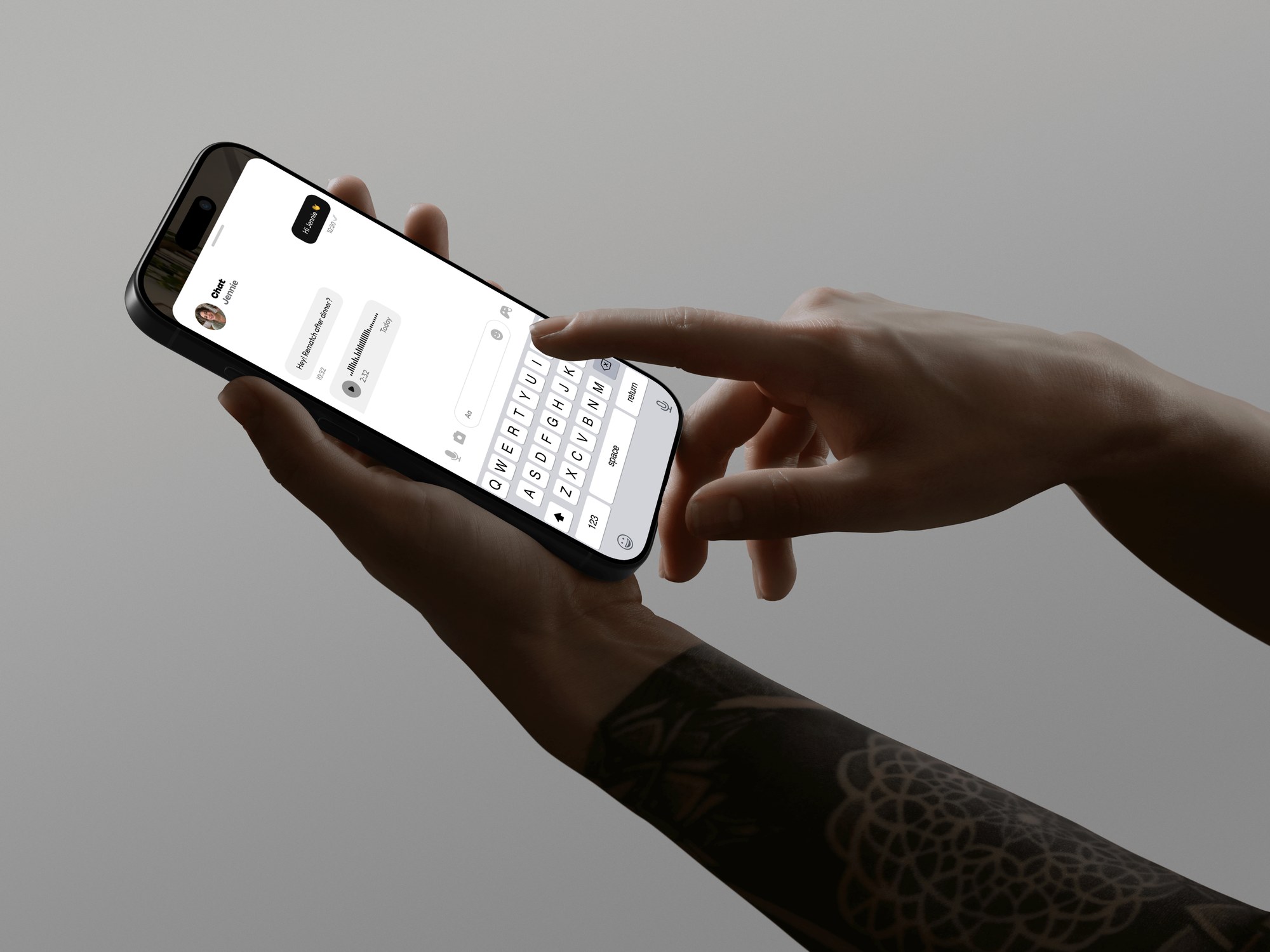
Voice notes, photo and video replies, and a game invite right in the thread. Unmatch, block and report are always one tap away.
After the game
“Hi”, a voice note, and “Rematch after dinner?” The game gives the chat its next topic.
05
Onboarding & verification
Problem
Long forms scare people off, while without verification the place fills with fakes.
Hypothesis
A playful, short onboarding plus a selfie check keeps the door open for real people and closed for fake profiles.
Solution
Illustrated onboarding → profile basics, interests, prompt questions → selfie verification against fake profiles.
06
Marketing landing page
Problem
An app with unusual mechanics is hard to explain in a store listing, because people cannot tell what awaits them.
Solution
A landing that shows the call-plus-game moment first, then explains the rest.
Key decisions
01
Games as the ice-breaker architecture
Problem
A live video call with a stranger is the most awkward cold start in social products: silence kills the session.
Solution
Unified call, chat and game into one surface: the game is an overlay on the live call, both faces stay visible, turns pace the interaction, reactions give low-effort responses. The game supplies both an activity and a topic.
Proof
Seven games shipped on one interaction skeleton, and the pattern made the next game cheap to add.
02
Progressive identity disclosure
Problem
Showing your face to strangers up front filters out exactly the shy users the product was for; fake profiles poison trust.
Solution
Gamerooms mask players behind animal avatars: you interact first, reveal on mutual match. Selfie verification gates real identities; block, report and unmatch flows designed in from the start.
Proof
The masked gameroom mode, verification and safety flows all shipped, and the product is live to this day.
03
Prompts everywhere conversation could stall
Problem
Even after matching, chats die on “hey”.
Solution
Prompt questions in profiles, video-prompt replies in chat, Talking Prompt as a game. The same design principle applied at every layer: never leave two people without material.
Proof
The principle shipped at all three layers: profile, chat and games.
Outcome
- Seven 2-player games on one interaction skeleton, overlaid on the live call
- Gameroom: anonymous party rooms where people play first and reveal later
- Selfie verification and safety patterns designed into the core loop
Onboarding, profiles, messaging and the marketing landing shipped with it, and the product is live to this day.
Next case
FP&A platform for finance teams
A B2B platform for budgeting, forecasting and reporting. I came in as its first designer, ran three rounds of research to find where finance teams lose time, and turned the findings into a design system, rebuilt navigation and a self-serve report builder.
View case